
Food for dogs
Back to nature, forward in health
What is good nutrition for your dog? A question that more and more conscious dog lovers are asking themselves. Kibble is easy, but does it offer what your dog truly needs? At Natuly (formerly Bio-Ron), we believe that health begins in the food bowl, with nutrition that suits your pet's natural nature.
Dogs are essentially carnivores. You can see this from their short digestive system, acidic stomach, and scissor-like teeth. Their entire body is built to digest meat, not to process large amounts of grains or heated fats. In nature, dogs eat whole prey animals, including bones, organs, and gut contents. It is precisely this balance that we find in raw food. Functionally, dogs are omnivores; they also have enzymes to break down starch, which is typical for omnivores. Their diet therefore consists mainly of meat, with some plant-based food here and there.
What is raw food for dogs?
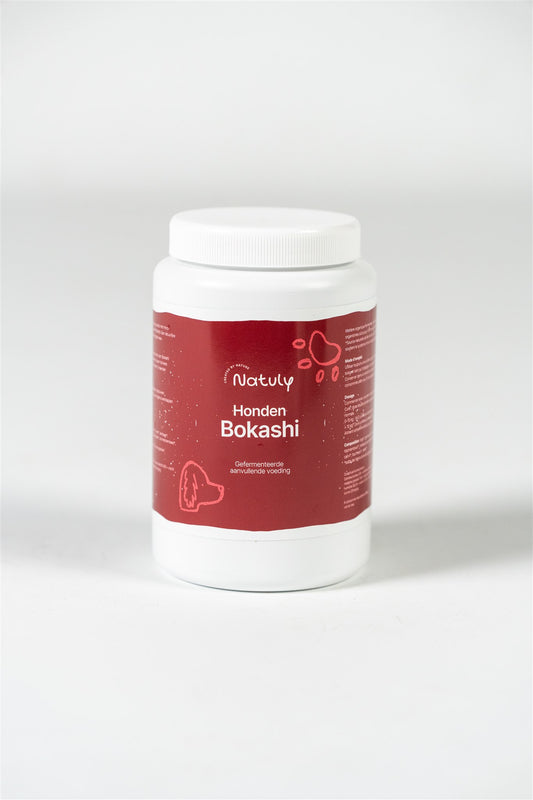
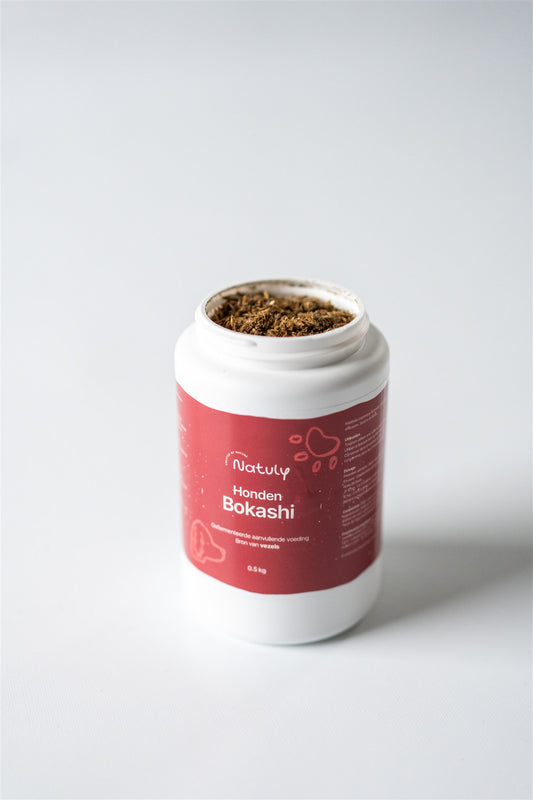
Raw food, also known as fresh meat or KVV (raw meat-based food), consists of raw muscle meat, bones, organs, and vegetables or herbs. It is stored frozen and contains all the natural building blocks a dog needs. Because it is not heated, enzymes, bacteria, and vitamins are preserved. This is essential for a healthy gut flora and a strong immune system. What is often forgotten, but is an essential part of the food bowl, is the presence of live microorganisms. Exactly as they would be found in the stomach of their prey. You can add this with, for example, green tripe. If you prefer a cleaner alternative, you can use bokashi for this.
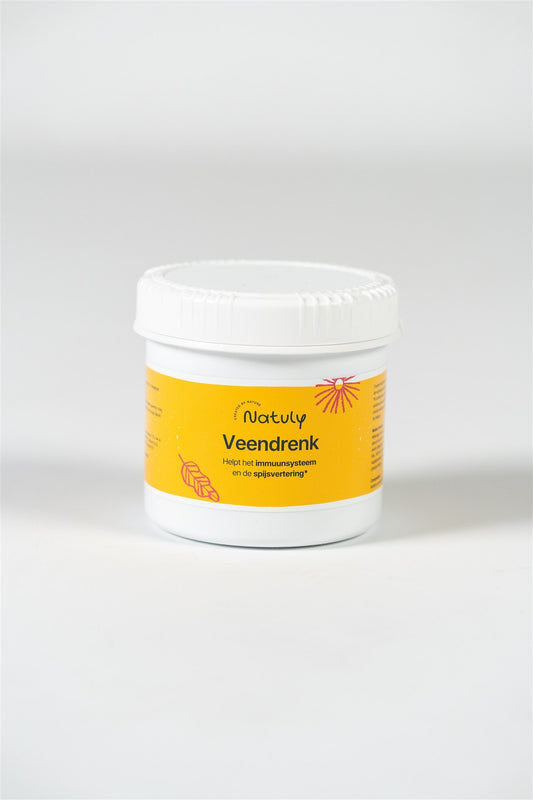
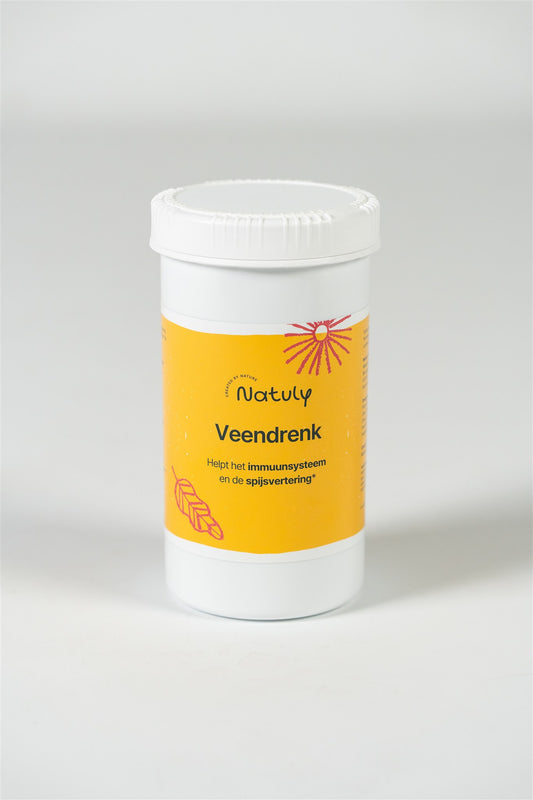
Combine with Peat extract for the supply of minerals and trace elements. In our opinion, both bokashi and peat extract belong in a dog's standard diet. You can read more about it here in the blog! 
Why kibble confuses the body
Unlike raw food, standard kibble usually consists of grain flour, meat waste, and synthetic additives. During production, they are heated to up to 200 degrees, which damages proteins and fats. Free radicals are formed, and much nutritional value is lost. What remains is filler that the body barely recognizes as food.
According to Traditional Chinese Medicine (TCM), kibble is also not ideal. It is energetically hot and sweet, which can lead to overheating of the stomach, diarrhea, vomiting, and eventually even chronic conditions such as diabetes, allergies, and autoimmune problems.
The switch to fresh meat
If you want to switch to fresh meat, it is best to fully transition your dog immediately. In the first week, you can lightly warm the meat with some hot water or au bain-marie. Always serve the food at room temperature, never directly from the refrigerator. Many dogs not only find raw food tastier, they also visibly feel better on it.
BARF: assembling yourself with meat, bone, and vegetables
For those who like to assemble their own meals, the BARF principle offers a lot of freedom. You combine raw muscle meat, meaty bones, organ meat, vegetables, and possibly a small amount of grains.
Sufficient variety is essential here. Think of chicken necks, beef heart, tripe, liver, duck wings, fish, and seasonal vegetables such as broccoli, carrots, or bok choy. Fruit can also be given occasionally, such as apple or melon, always without pits.
Preferably use organic ingredients. Always wash fruits and vegetables thoroughly, or steam them briefly so that the cell walls become more easily digestible.
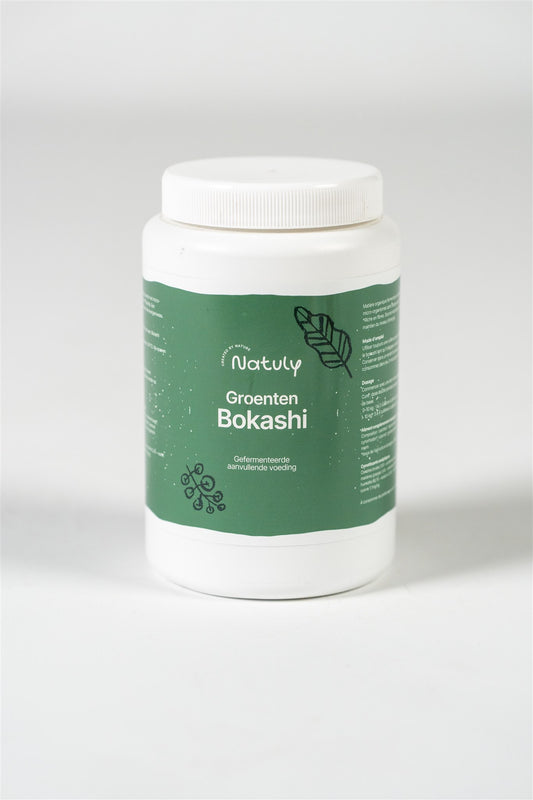
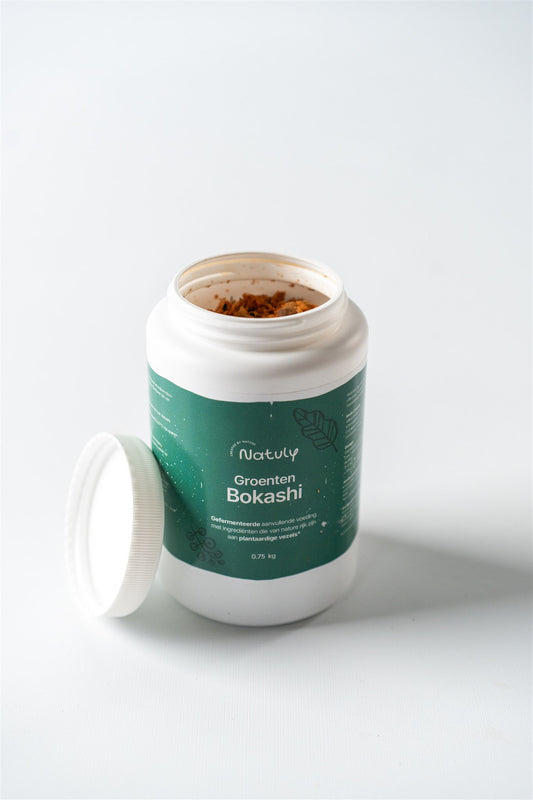
An addition to the BARF menu are bokashi and peat extract. Peat extract is a natural humus extract, rich in minerals and trace elements and supports the intestinal wall through the presence of humic and fulvic acids. Bokashi is fermented food that supports digestion through, among other things, the presence of thyme and celery.*
Be careful with puppies and seniors
For young and older dogs, it is important to lightly warm the meat during the initial period. In TCM, it is explained that their spleen energy is often not yet strong enough to properly process cold food. Warming then helps prevent digestive problems.
Healthy nutrition starts with healthy intestines
What your dog eats determines how he feels. A healthy gut flora is the basis of a strong immune system, good digestion, and stable energy.
Raw food contributes directly to this, especially if you include bokashi and peat extract in the daily menu. Both support naturally and help your dog optimally benefit from his nutrition.
*Health claims awaiting European approval.

Dog Grooming
Dogs
-
Peat impurity
Regular price From €16,95Regular priceUnit price per -
Organic Bokashi for dogs
Regular price From €21,01Regular priceUnit price per -
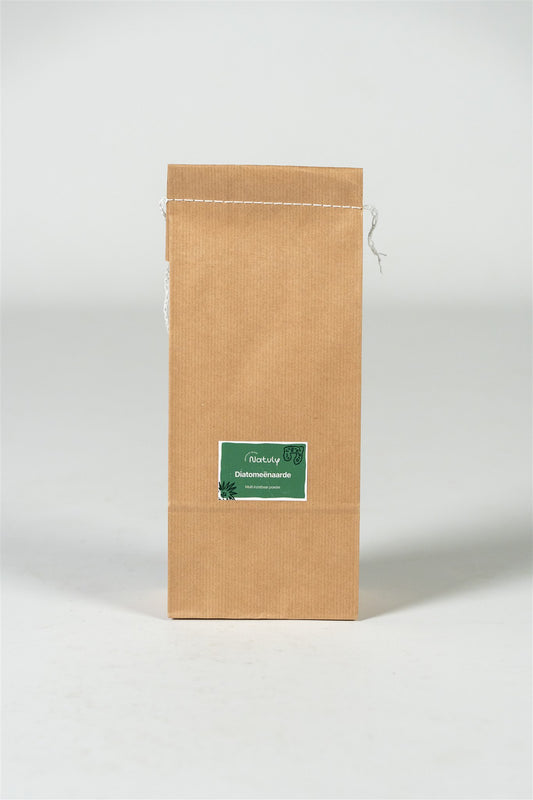
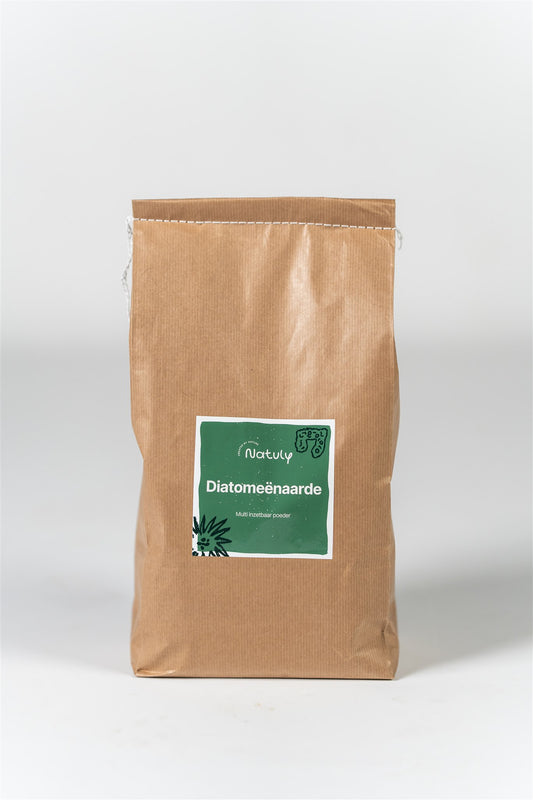
Diatomaceous earth
Regular price From €14,50Regular priceUnit price per -
Organic Bokashi vegetables
Regular price From €22,00Regular priceUnit price per