
Grain-free feeding
Not every horse thrives on grains. In fact, for hardy breeds, horses with metabolic problems, or animals sensitive to sugars and starches, a grain-free diet can make a world of difference. With the right choices, your horse will receive a nutritious, varied, and natural diet that meets their needs.
Why choose grain-free?
Grains often contain relatively high levels of starch and sugars. In sensitive horses, this can lead to overweight, digestive problems, or behavioral changes.

Four powerful grain-free pellets
- Esparcette pellet: Naturally rich in tannins, supports gut health and can help reduce parasite burden. High crude protein, low sugar/starch.
- Meadow herb grass pellet: Composed of a rich palette of grasses and herbs from organic pastures, pure nature, without grains. Full of structure, fiber, and natural minerals.
-
Green oat pellet: Young harvested
oat plant before seed formation. Easily digestible and rich in natural building blocks. For structure and energy, without many calories. -
Lucerne pellet: A classic in grain-free feeds. Rich in structure, protein, calcium, and natural fibers, perfect as a base or supplement. Supports muscle building, digestion, and helps maintain stable blood sugar levels.
Hemp hulls: functional supplement
Our hemp hulls are 100% organic hempseed shells. They are rich in digestible fibers, omega fatty acids, and high-quality proteins. They are an excellent supplement to poor hay.
They require thorough chewing, which ensures sufficient saliva production. This is essential for good digestion. This tasty, fiber-rich, and grain-free feed is suitable for all horses.


Seeds & kernels for your horse
Small powerhouses with a big effect
Seeds and kernels are a wonderful natural addition to your horse's diet. They are packed with healthy substances such as essential fatty acids, proteins, minerals, and antioxidants, all in their purest form. Perfect for those who like to vary and provide targeted support during certain periods of the year.
Flaxseed: mucilage
Old-fashioned but always effective and nutritious. Flaxseed is rich in omega-3 fatty acids, mucilage, and easily digestible proteins. It supports a shiny coat, calm bowel function, and has a soothing effect on the stomach and mucous membranes.
Ideal in autumn and winter, when skin and coat could use extra support.
Tip: you can offer flaxseed in higher doses, cooked into a porridge, as a sand cure. You can read more about it in this blog.
Hempseed: omega fatty acids
Hempseed contains all essential amino acids, high-quality protein, and a particularly favorable ratio of omega-3, -6, and -9 fatty acids. It is easily digestible and also contains zinc, magnesium, and vitamin E.
Very suitable for recovery after illness or training, young horses in rearing, or older horses that could use some extra strength.

Pumpkin seeds: healthy building blocks
These organic pumpkin seeds are not only nutritious but also surprisingly tasty for your horse. They are packed with healthy building blocks: rich in unsaturated fatty acids, amino acids, and antioxidants. With an impressive mix of minerals such as phosphorus, potassium, magnesium, manganese, copper, zinc, and iron, they provide broad support for the entire system.
The dark green seeds have a soft texture and are therefore easily digestible, even for hardy or sensitive horses. They contribute to vitality, a shiny coat, and a strong immune system. Helps the body stay in balance, even with seasonal challenges.
Sunflower seeds: source of vitamin E and B
Sunflower seeds are not only tasty but also exceptionally nutritious. These organic seeds are rich in vitamin E, a powerful antioxidant that helps neutralize free radicals. Additionally, they contain vitamin B6, which contributes to normal energy metabolism and proper functioning of the nervous system.
They contain selenium, magnesium, copper, manganese, phosphorus, iron, and zinc, all minerals with their own contribution to important bodily processes.
How to add seeds and kernels to the menu?
Give a handful as a treat, mix with feed, or combine into a varied mix. Start with a small amount and gradually increase.
Guideline: 20–50 grams per day per type of seed for an average horse (500 kg), depending on need.
Tips for grain-free feeding
- Always introduce new feeds gradually.
- Up to a handful, the grain-free pellets can be given unwetted as a "treat." For larger quantities, soak them first. This goes faster in lukewarm water.
- Preferably feed in several small portions per day for stable absorption.
- Combine with good roughage and sufficient exercise for optimal effect.

Paddock Paradise
Horses
-
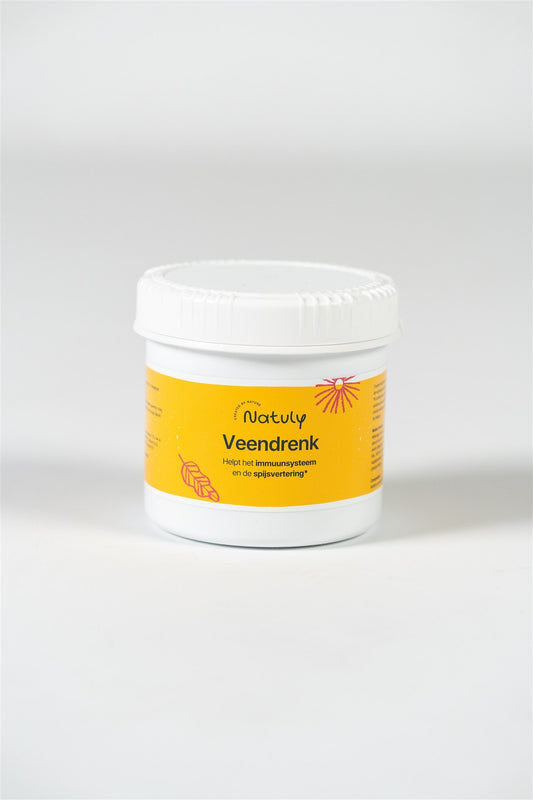
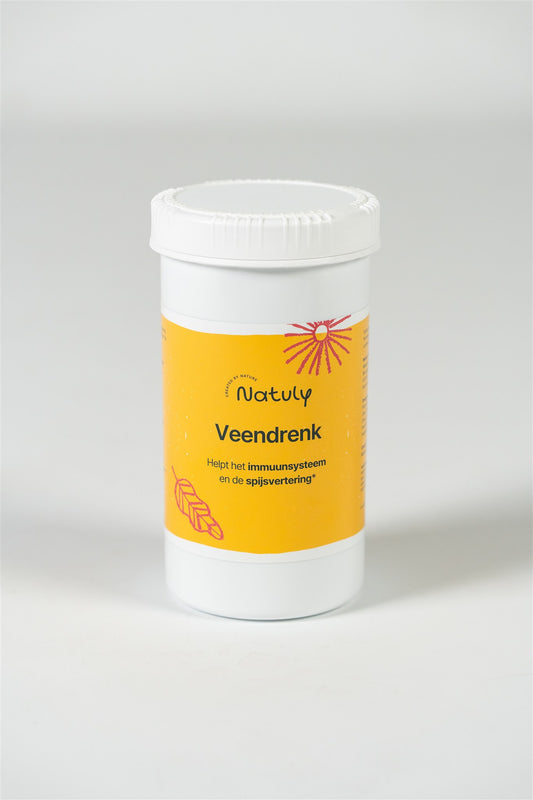
Peat impurity
Regular price From €16,95Regular priceUnit price per -
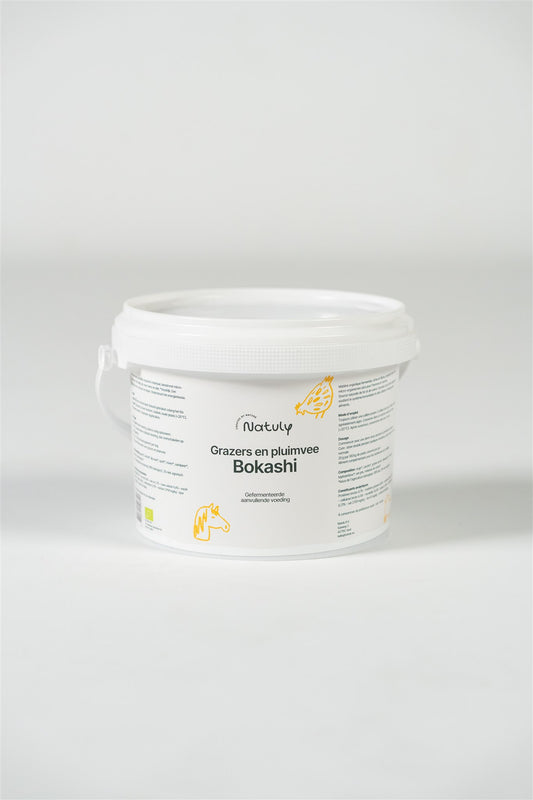
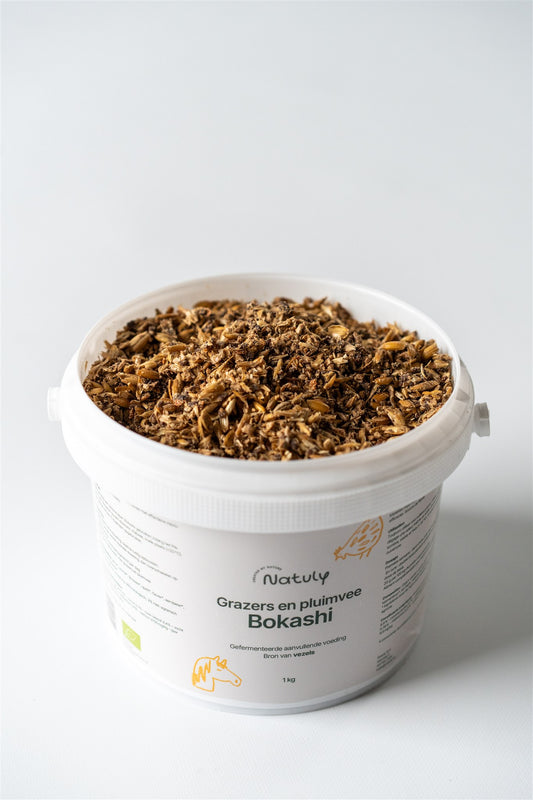
Organic Bokashi for grazers & poultry
Regular price From €21,01Regular priceUnit price per -
Diatomaceous earth
Regular price From €14,50Regular priceUnit price per -
Graanvrije paarden bokashi
Regular price From €22,99Regular priceUnit price per