Composting
Composting: the Power of Circular Agriculture
Making compost is one of the most natural and impactful ways to keep your soil healthy. Whether you have a (vegetable) garden, a (small) pasture, or a horse farm: compost is the silent engine behind a healthy ecosystem. With compost, you turn organic waste into something valuable and give the soil life a significant boost.

What exactly is compost?
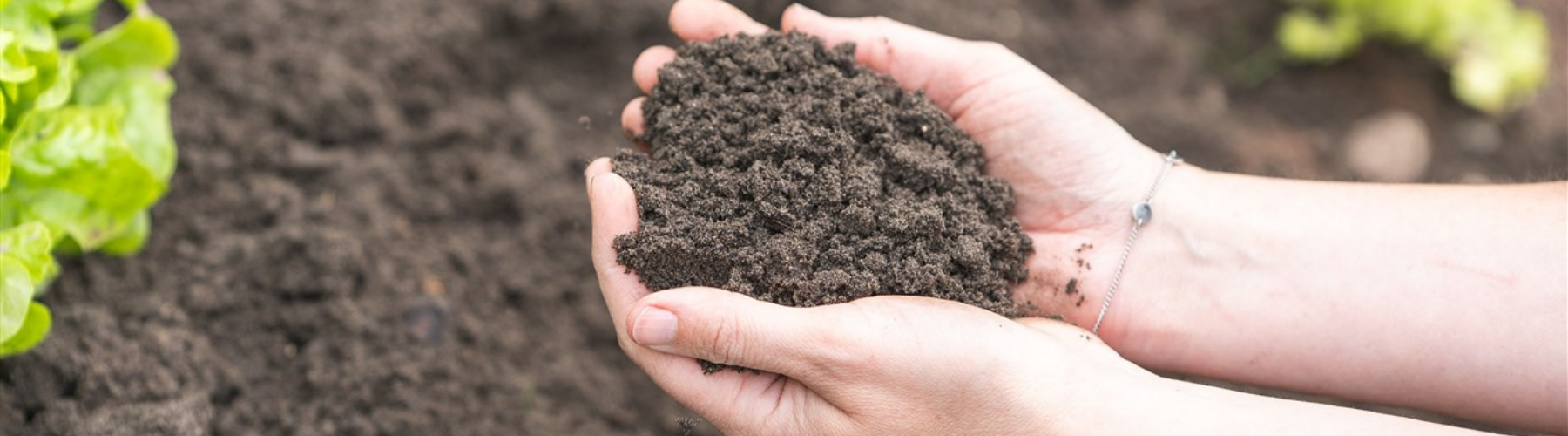
Compost is formed by the decomposition of plant and animal material. Think of manure, leaves, straw, or vegetable scraps. Microorganisms do the work, as long as there is enough oxygen, moisture, and alternation between 'brown' (carbon-rich material) and 'green' (nitrogen-rich material). What you are left with is like a type of humus: a rich, crumbly soil improver full of life. And that is precisely the basis for healthy plants, strong animals, and a resilient landscape.
Making your own compost? It’s simple
Composting doesn't have to be complicated at all. With a little space, attention, and the right mix of materials, you can go a long way.
How to start:
- Stack the material in layers (like a lasagna).
- Use coarse branches at the bottom for air circulation.
- Insert a few sticks vertically into the pile as 'chimneys'.
- Cover in bright sun or heavy rain, and spray when dry.
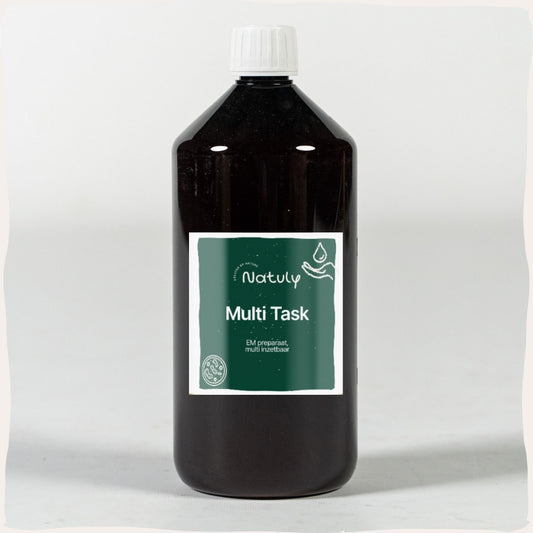
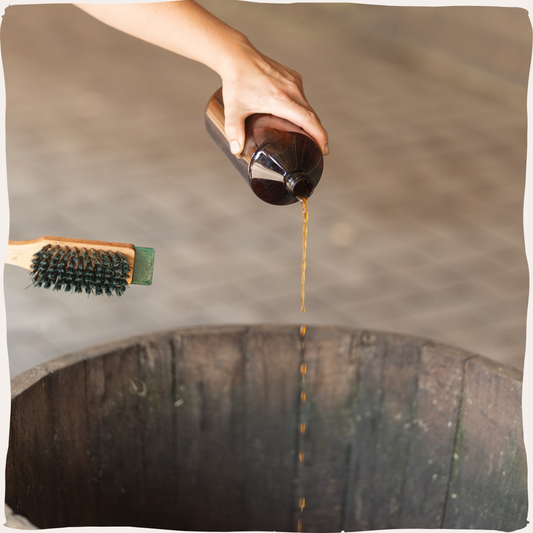
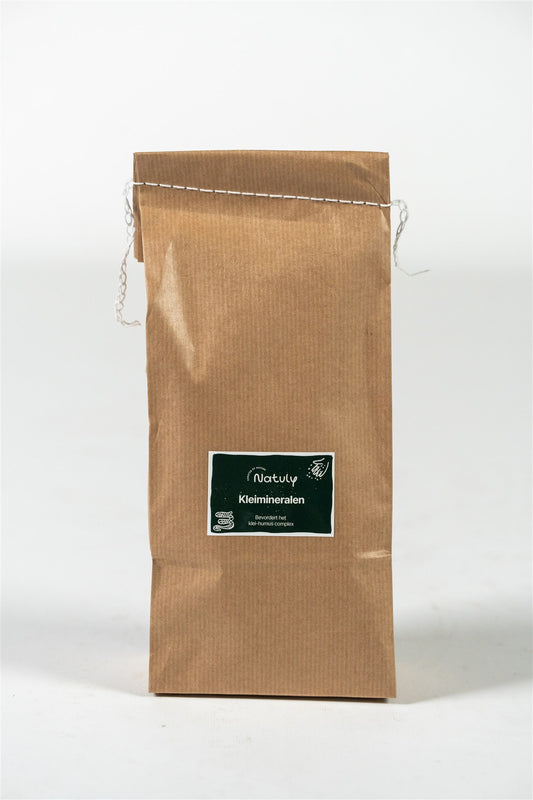
- Optionally add lava, clay minerals, or effective microorganisms.
- Let the mixture mature quietly.
Good compost smells like forest soil, not rot. It is a living process full of cooperation, not a pile of waste.
What can go in?
You can compost much more than you think:
✅ Suitable:
- Horse manure
- Straw, hay, leaves
- Kitchen waste (vegetable, preferably organic)
- Prunings and grass
- Garden vegetable scraps
🚫 Preferably not:
- Slurry or chemical fertilizer
- Chemically treated materials
- Large quantities of acidic material (unless compensated with lime or rock dust)
Please note: you can also add oak leaves or pine needles, as long as you ensure sufficient balance in your pile.

Composting = Circular Thinking
Those who compost themselves need to remove less to no manure and do not need to buy artificial fertilizer. You keep valuable minerals on your own land, which is pure profit for your soil and your wallet. Especially in places where many animals are on little space, such as in horse pastures, it is important to continue supporting soil life. Compost helps to counteract compaction and build up humus.
Even on a small scale
Composting can even be done in a corner of the yard. As long as you take into account the distance to water or neighbors, it is allowed. It is better to make several small piles than one large one, cover in bad weather, and provide air.
Tip: Pumpkins, courgettes, and tomatoes grow wonderfully on a compost pile. So you not only harvest soil health but also fresh vegetables!
Our compost
At Natuly (formerly Bio-Ron), we supply a high-quality combination compost of plant origin. It is a combination of fungal, worm, and wood compost, finely sieved (0–15 mm) and rich in microbial life.
This compost:
- Increases humus content
- Improves soil structure
- Makes nutrients more available
Available in big-bags or loose, depending on your situation.
Healthy soil = healthy animals
Many ailments in animals (and humans) originate from depleted soil. Compost offers a natural solution here. Because as the old farmers used to say:
"You are as healthy as the soil your food comes from."
Making and using your own compost and continuing to invest in your soil life is not a luxury. It is a logical step towards a healthy cycle, resilient animals, and true resilience.

A healthy pasture
Soil
-
Multi task micro organism
Regular price From €18,76Regular priceUnit price per -
Lava gravel
Regular price From €6,00Regular priceUnit price per -
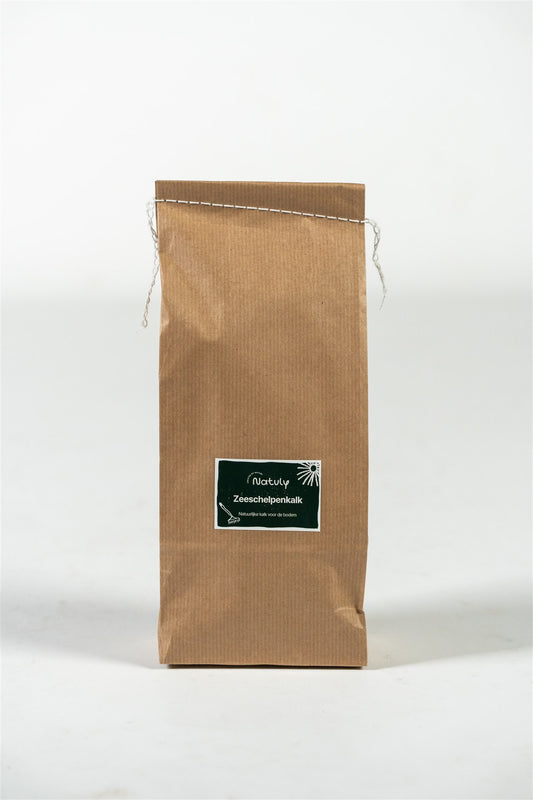
Seashell lime
Regular price From €6,00Regular priceUnit price per -
Clay minerals bentonite
Regular price From €7,01Regular priceUnit price per