
Vegetable gardening starts with the soil
Vegetable Gardening Starts with the Soil
A Living Soil as the Basis for Healthy Vegetables
In a vegetable garden, it's not just about what you plant, but especially where you plant. The soil is the heart of your garden, a living system that nourishes everything that grows. Those who want to harvest healthy, flavorful vegetables start by caring for the soil life. Because the healthier the soil, the stronger the plants, and the less you need to intervene.
The Soil Lives and You Work With It
A fertile vegetable garden soil is full of life: worms, fungi, bacteria, and microorganisms work day and night to release nutrients, improve structure, and protect against diseases. Instead of pushing the soil with chemical fertilizers, you can also feed the soil life with compost, mulch, plant residues, and organic materials.
- No chemical fertilizer, but compost: Compost nourishes both the soil and soil life.
- No digging, but mulching: This way, you don't disturb the soil life, and moisture is better retained.
- Diversity over monoculture: By alternating crops and flowers, you attract more soil life.
- Green cover: A covered soil is an active soil: plant ground covers or use mulch.
From Soil Health to Plant Well-being
Soil with sufficient organic matter (humus) can retain moisture better, buffers nutrients, and supports a natural balance. Plants grow healthier, develop more flavor, are more resilient to pests, and provide more nutritional value. You notice this not only in how they look, but also in how they taste and how well they store.

Soil Building: Give it Time and Build Steadily
Do you have a vegetable garden on depleted soil (for example, former lawn, agricultural land, or sandy soil)? Then the soil needs time to recover. You don't have to wait years for results, but you do need to consciously choose to build it up:
- Annually use compost or bokashi.
- Spread lava meal or clay minerals on poor, dry soils.
- Sow green manures such as phacelia, sand oats, or alfalfa after harvest.
- Leave roots in the ground after harvesting: they are also food underground.
Want to do this properly? Then first do a soil analysis. You can read more about it here.
Step-by-step plan: Build a Living Vegetable Garden Soil
1. Start by observing
- How does the soil look? Dry, granular, wet, compacted?
- Which plants grow spontaneously? That tells a lot about the balance.
- Dig a profile pit (approx. 30 cm deep) and observe the layers, roots, and worms.
2. Introduce organic material
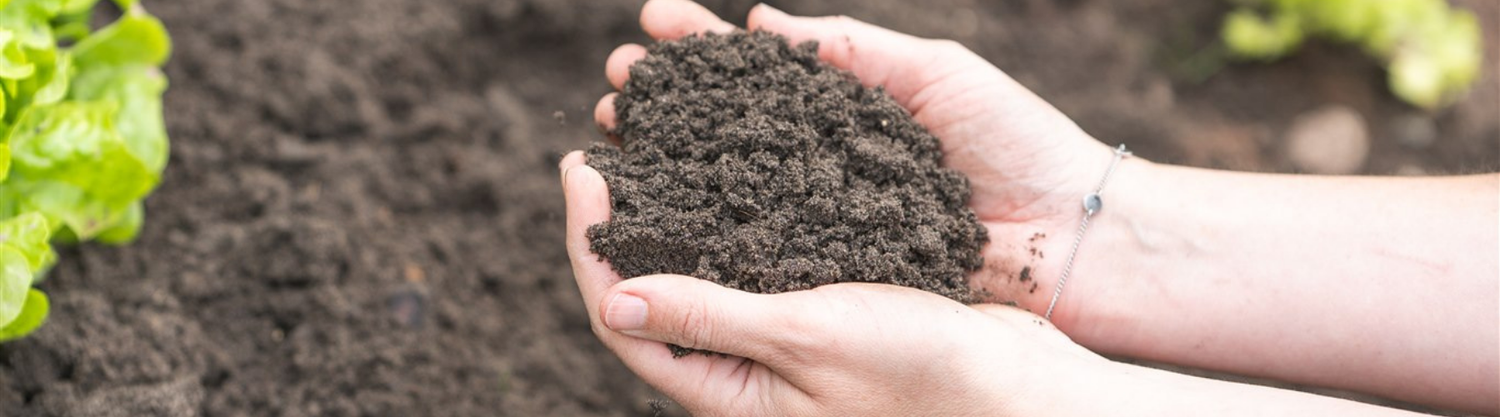
- Annually work in a layer of mature compost of ± 1 cm thick.
- Do not use liquid manure or chemical fertilizer.
- Add rock dust such as lava meal, actimin, or vulkamin for minerals and trace elements.
- Add clay minerals and seashell lime where necessary.
3. Leave your soil as undisturbed as possible
- Do not dig, only superficially loosen if necessary.
- Leave harvest residues and roots in the ground.
- Cover your soil as much as possible: with straw, leaves, mulch, or living plants.
4. Encourage diversity
- Sow and plant in crop rotation and/or in combinations.
- Use flower borders or intercropping with insect attractants.
- Let plants flower for natural seed storage.
5. Work with green manures
- Sow a green manure after harvest.
- Mow them down and leave them or lightly work them in as mulch.
6. Support microlife
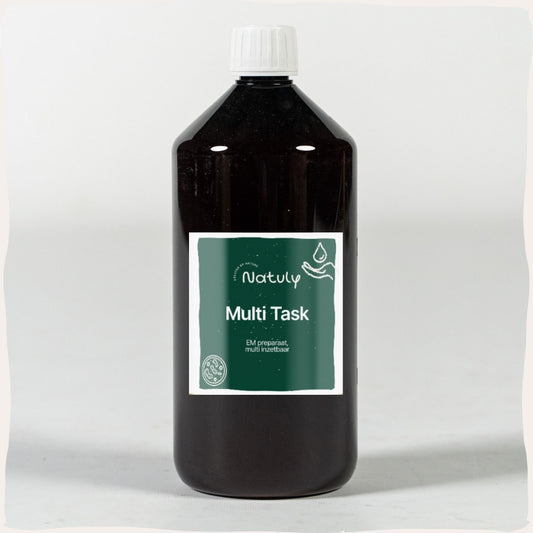
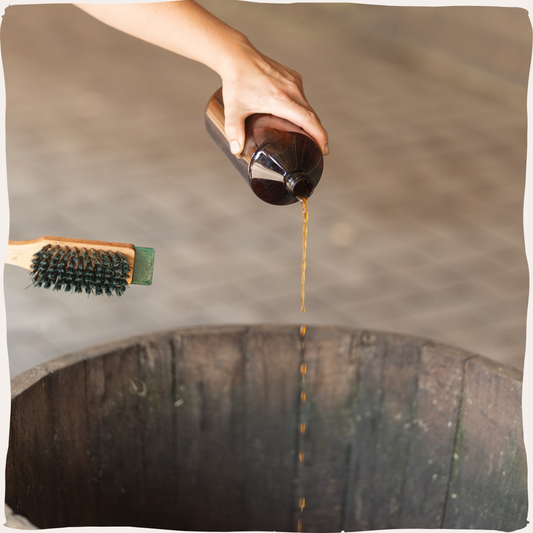
- Nebulize effective microorganisms.
- Also use them on your own compost heap.
- Avoid pesticides, ammonia-rich fertilizers, and plastic covers.
Result?
After 2 to 3 years, your soil will have noticeably changed: crumbly, deeper rooted, full of life. And your plants? They grow stronger, with less hassle and more flavor.
In short: healthy soil, healthy vegetable garden
- Choose compost instead of chemical fertilizer
- Avoid digging, use mulch and ground covers
- Support biodiversity with flowers, green manures, and variety
- Work with natural soil improvers such as lava meal and clay minerals
- Give the soil rest, variation, and time, then the harvest will follow naturally
Compost in the vegetable garden
Garden & Allotment
-
Barefoot Play & Lawn Grass
Regular price From €17,50Regular priceUnit price per -
Pasture herbs
Regular price From €11,50Regular priceUnit price per -
Multi task micro organism
Regular price From €18,76Regular priceUnit price per -
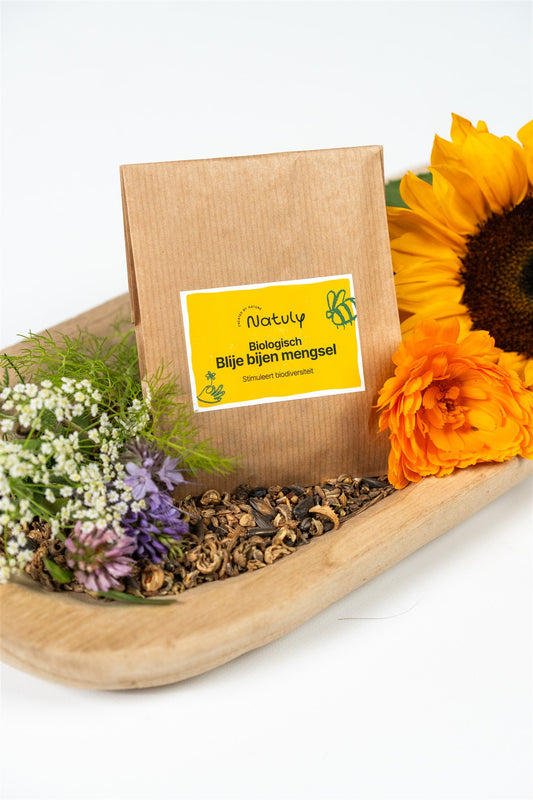
Happy Bees Mix
Regular price €3,50Regular priceUnit price per