
Hay
Hay, silage, or haylage: what truly suits your horse?
Every horse owner wants the best forage for their animal. But what exactly is the difference between hay, silage, and haylage? And why does it matter so much for your horse's health?
Silage and haylage: convenient for humans, strenuous for horses
Silage is young, moist grass packed airtight in plastic, which initiates fermentation. Haylage is similar but is mown later and is slightly drier.
During the fermentation process in the plastic, lactic acid bacteria and other anaerobic microorganisms proliferate. These microbes work well in a cow's rumen but not in a horse's gut flora. This makes haylage and silage suitable for production animals like cows, but not for horses.
Horses are designed to eat fibrous, slowly dried grass with a predominantly aerobic microbial profile. When you feed wrapped forage, even if it's called 'haylage,' you are feeding something that is structurally unsuitable for the horse's digestion.
Why is wrapped forage such a risk for horses?
- Too acidic: The pH of haylage or silage is often around or below 4.0, which has an overly acidifying effect on the gut environment.
- Unfavorable microbiome: The many lactic acid bacteria in fermented forage disrupt the balance of the large intestine flora, where fiber-breaking bacteria are needed.
- High pathogenic pressure: If the pH is correct (e.g., in a poorly fermented bale), the risk of molds, yeasts, and other pathogens is often much higher.
- Long-term metabolic problems: Although some horses appear healthy, it poses a creeping risk for insulin resistance, acidosis, colic, and respiratory problems.
Some horses live long lives on it, but it is not a diet that supports the body; rather, it is a diet that the body has to compensate for.
Microbial balance: the key to a healthy gut flora
A horse's intestines function optimally when they receive food with a healthy balance of aerobic and anaerobic microorganisms. Forage wrapped in plastic structurally disrupts this balance.
Your horse may seem to be "eating normally," but this can unknowingly lead to numerous vague complaints that can ultimately be traced back to... the forage.

Why hay does suit the nature of a horse
Hay is naturally dried grass, stored without plastic and with the preservation of aerobic microbes. It comes closest to what horses would eat in nature when the grass dries out: mature grasses, stalky, fibrous, and full of natural fibers.
- Better for digestion
- Promotes a stable gut flora
- Supports natural immunity
- Less chance of molds and heating
Tip: Molds and mycotoxins arise precisely when anaerobic feed comes into contact with oxygen again. Hay that is too moist can be immediately recognized by its smell and appearance; you don't need a lab for that.
Forage determines your horse's health
Forage is the basis of a horse's diet. And that basis deserves attention. Because:
- It is the largest part of what your horse eats
- It partly determines the absorption of other nutrients
- Poor forage = poor absorption of even the best supplementary feed
Do you really want to keep your horse healthy? Then start with the basics. And that is good, fibrous, varied horse hay.
What is good horse hay?
- Not sealed, so naturally dried
- Fibrous, harvested from mature plants
- With a rich diversity of grasses and herbs
- Without artificial fertilizer or slurry
- Possibly with a nutritional analysis
Did you know that hay from, for example, Germany or Eastern Europe is often richer in minerals and trace elements than standard Dutch hay?
Looking for horse hay? Check out paardenhooi.nl
Good quality hay is scarce, but it exists. That's why we set up paardenhooi.nl, an independent platform where we:
- Share knowledge about good forage
- Collect points of sale per region
- Bring together supply and demand
Do you want to sell hay yourself or do you know a good hay farmer? Let us know, we are happy to connect you with conscious horse owners.
In summary: choose what is right
From gut flora to coat, from behavior to immunity: everything starts with good forage. And that, fundamentally, is fibrous, diverse hay, as nature intended. If you choose what is right, you will see it reflected in everything.

Nutrition with vitality
Grass seeds
-
Barefoot Play & Lawn Grass
Regular price From €17,50Regular priceUnit price per -
Organic grass seed mixture 1
Regular price From €14,50Regular priceUnit price per -
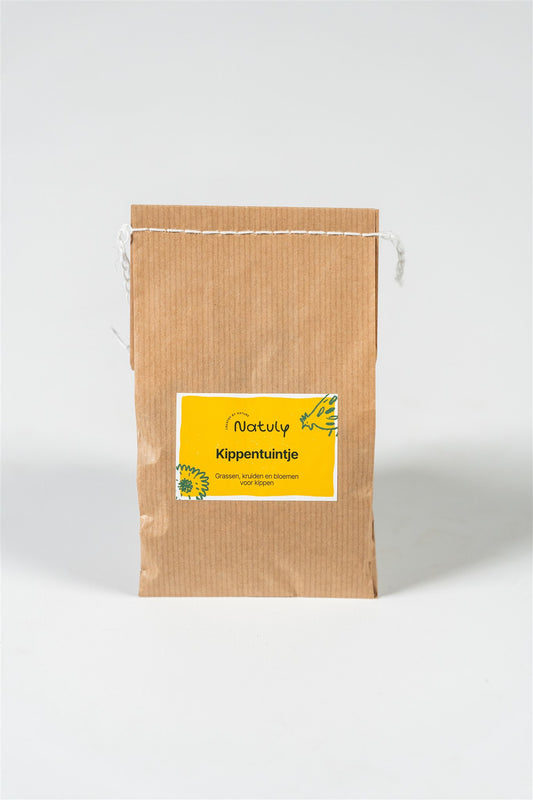
Chicken garden seed mix
Regular price From €9,95Regular priceUnit price per -
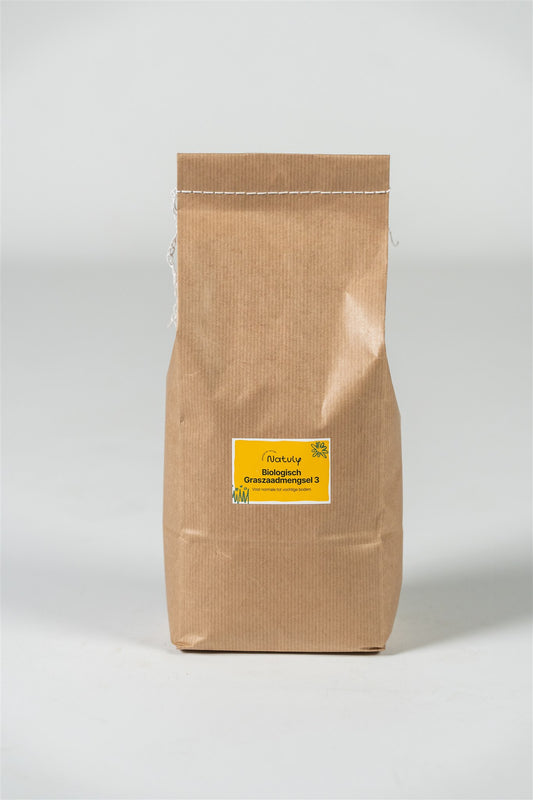
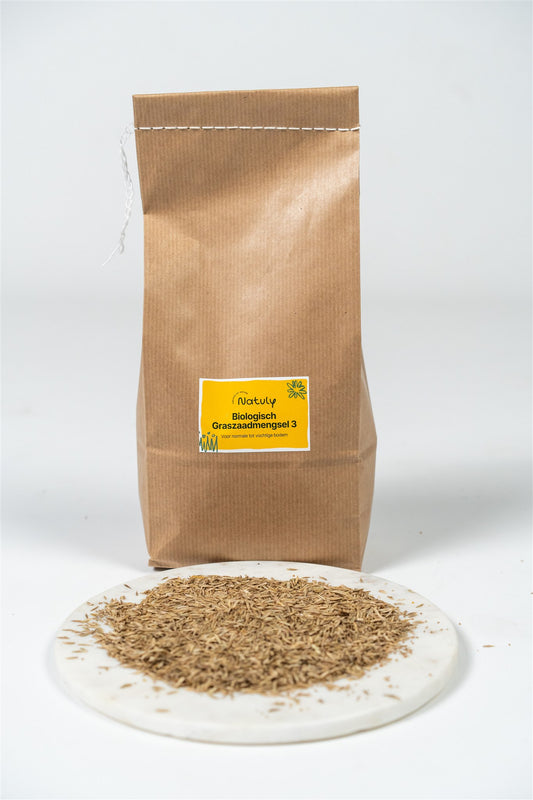
Organic grass seed mixture 3
Regular price From €14,96Regular priceUnit price per