Compost in the vegetable garden
A healthy vegetable garden doesn't start with the seed, but with the soil. And compost is the secret to strong plants, flavorful vegetables, and a garden bursting with life. Composting isn't rocket science; rather, it's ancient knowledge that is just as important today!
What exactly is compost?
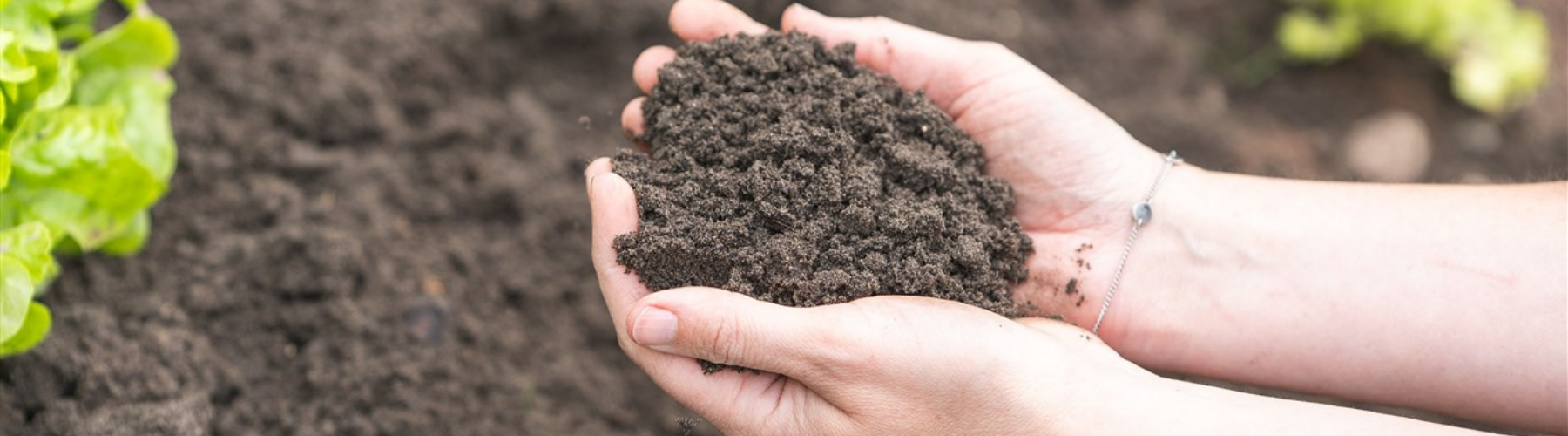
Compost is simply plant material that has been transformed into a rich, crumbly humus layer. Leaves, vegetable scraps, old straw, shredded branches, coffee grounds: these are all building blocks for soil life. Microorganisms break them down into a dark, fragrant mass that resembles forest soil.
Good compost: smells fresh and earthy, feels crumbly and airy, is teeming with life (bacteria, fungi, worms), makes plants resilient, and the soil springy.
Why use compost in your vegetable garden?
- Feed soil life: Compost is food for microorganisms. No life in the soil = no vitality in the plant.
- Retain structure and moisture: Compost makes clay soil airier and sandy soil more stable.
- Gradual nutrition: Compost feeds your plants slowly and evenly.
- Fewer pests and diseases: Healthy soil makes your plants more resilient.
- Waste becomes raw material: What normally goes into the trash becomes nourishment for the next season.
How do you make your own compost?
You can make compost right in your own garden, in a pile, in a bin, or a barrel. The key is balance and variety.

The basis is green and brown
- Green material: vegetable scraps, coffee grounds, fresh grass clippings, tea leaves
- Brown material: leaves, straw, branches, sawdust
- Rule of thumb: 2/3 green + 1/3 brown
Important conditions
Don't let the compost get too wet or too compact. Ensure oxygen and keep the pile moist like a squeezed sponge. Turn the pile if it gets too large or too dense.
Composting can be done year-round; it's faster in summer than in winter.
Using compost in the vegetable garden
- Spring: work compost into the topsoil before or during planting.
- Autumn: cover beds to protect and nourish the soil.
- When planting: mix a handful of compost into the planting hole.
- As mulch: retains moisture, suppresses weeds, and feeds soil life.
Compost is mild, safe, and won't burn your plants, making it also suitable for young plants.
Make it yourself or buy it?
Composting yourself is sustainable and educational. If you don't have enough material (yet) or want quick results, you can buy compost. Be sure to choose for:
- 100% plant-based
- Free of germs and seeds
- Not too acidic
Good compost smells like forest soil and is free of plastic and glass. Also, take a look at our Natuly Compost! (formerly Bio-Ron)
Finally
A healthy soil yields healthy vegetables. Compost is not waste, but the beginning of a new cycle. Whether you have a balcony bin or an extensive garden: composting is always possible. Take care of the soil, and the soil will take care of you.

Effective Microorganisms
Soil
-
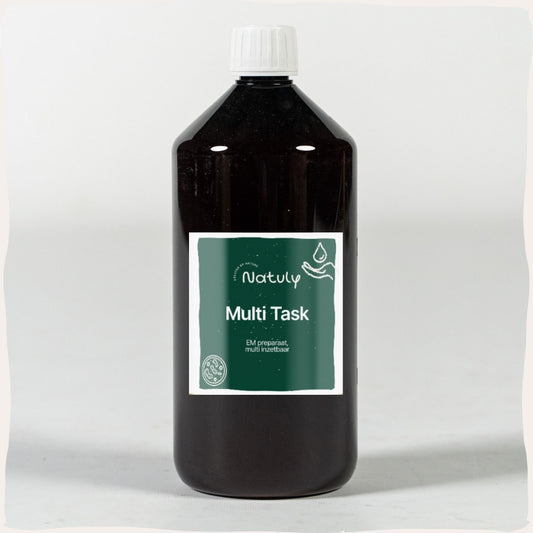
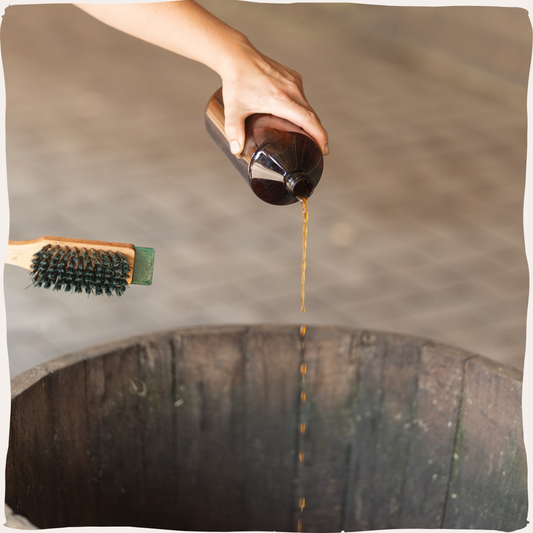
Multi task micro organism
Regular price From €18,76Regular priceUnit price per -
Lava gravel
Regular price From €6,00Regular priceUnit price per -
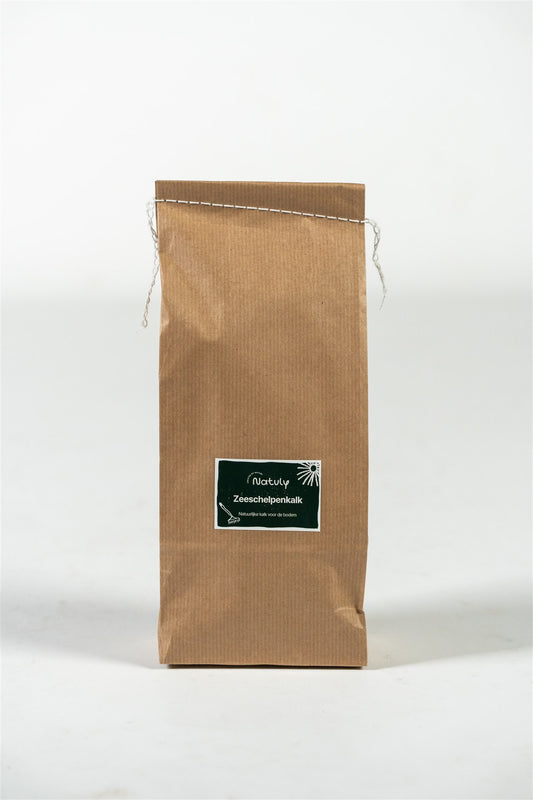
Seashell lime
Regular price From €6,00Regular priceUnit price per -
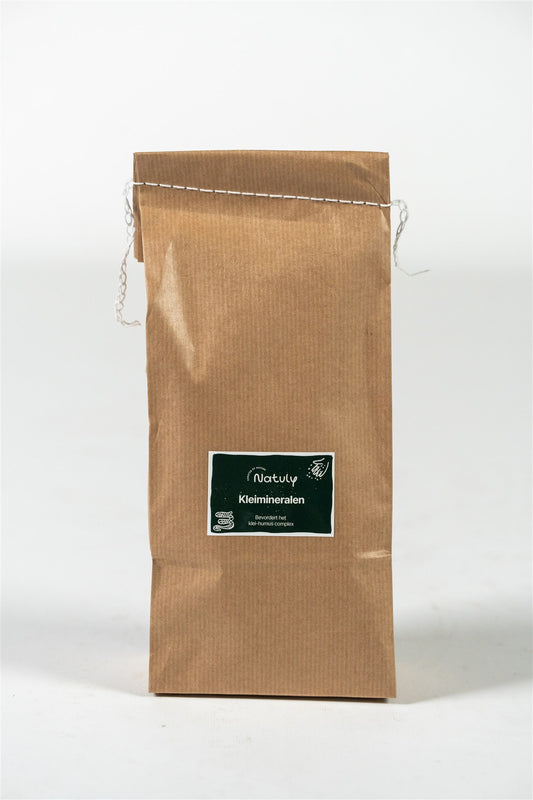
Clay minerals bentonite
Regular price From €7,01Regular priceUnit price per