
Flowers and herbs
Flowers and herbs: the natural engine of a biodiverse meadow
A meadow full of flowers and herbs is not only a feast for the eyes but also a blessing for animals, soil, and biodiversity. By choosing a herb-rich grassland, you create a vibrant ecosystem where plants, insects, and grazers strengthen each other.
Why sow flowers and herbs in your meadow?
A herb-rich meadow contributes to:
- Healthier soil structure: the roots of herbs improve soil permeability and aeration.
- Natural food and variety: herbs offer a richer and more varied diet for animals.
- More insects, birds, and pollinators: flowers attract natural helpers that support the ecosystem.
- A resilient ecosystem: with greater biodiversity, your meadow is more resistant to drought, diseases, and pests.
Whether you keep horses, sheep, goats, or cows: flowers and herbs bring balance and life to every plot.
Biodiversity starts with variation
Every plant has a function. Some herbs attract pollinators, others repel pests or fix nitrogen. Together, they create a richer cycle, both above and below ground. And even if animals don't eat everything that grows, their presence stimulates natural selection and cycles. Your meadow thus transforms into a nutritious, self-regulating habitat.

Herbs that make a difference underground
Many herbs root deeper than grass and bring valuable minerals and trace elements to the surface. When they die, they release these nutrients back into the topsoil layers, benefiting other plants and your animals.
In addition:
- They improve soil structure: the roots make the soil airier and more permeable.
- They increase moisture retention capacity: the soil can better withstand drought.
- They nourish soil life: organic matter and root residues stimulate microbial life.
This way, you gradually build a living, fertile soil.
Scent, color, and healing power in the meadow
Herbs bring variation in scent, color, and taste. They contain bitter substances, essential oils, and other natural compounds that animals instinctively recognize and consume when needed. This natural self-selection promotes the well-being and resistance of your animals, without you having to add supplements.
Not everything has to be eaten
Herbs that remain standing are still valuable:
- They provide shade: tall herbs protect against heat stress.
- They protect the soil: the herbaceous vegetation prevents dehydration and erosion.
- They offer food and shelter: for insects, birds, and other small animals.
This way, you strengthen not only your own meadow but the entire surrounding landscape.
How do you add flowers and herbs to your meadow?
- Sow herb mixtures: in bare spots, strips, or field edges. Temporarily fence off the plot so the plants can develop well.
- Let a plot rest: herbs will sow themselves.
- Mow a herb-rich section: and feed this fresh to your animals.
- Create a separate herb plot: that you only graze occasionally.
Important: always ensure a balanced soil first. Without a balanced soil structure and sufficient light, herbs have little chance.

Choose a herb mixture that suits your goal
We have a ready-made pasture herb mixture available, but you can also choose your own composition based on your goals:
- For hay meadows: choose varieties that grow tall and voluminous.
- For grazing pastures: choose low-growing, strong varieties.
- For hardy breeds: avoid clovers (too rich).
- For soil enrichment: choose mixtures with nitrogen-fixing plants like clover.
Strengthen the soil for a healthy start
Herbs require light, air, and good structure. For acidic, poor, or compacted soils, you can provide extra support with:
- Lava meal/grits, actimin, or vulkamin: Alternate over the years for a wide range of minerals and trace elements.
- Clay minerals: improve structure and moisture retention.
- Seashell lime: restores pH and calcium content.
- Compost or old stable manure: nourishes soil life and increases humus content.
These nutritious additions activate soil life and improve the germination power of your herb seeds.
Give it time: think in seasons, not weeks
A herb-rich meadow does not appear overnight. Give your soil, plants, and animals time to adapt and develop with nature's rhythm. Experiment with species, reseed regularly, and observe what works.
More life, more balance, more pleasure
With flowers and herbs, you give your meadow more resilience, biodiversity, and natural richness. You not only help your animals to a healthier diet but also support the soil, insects, and the wider ecosystem.
Natuly was Bio-Ron.

Sowing advice & Soil types
Seeds for horse pastures
-
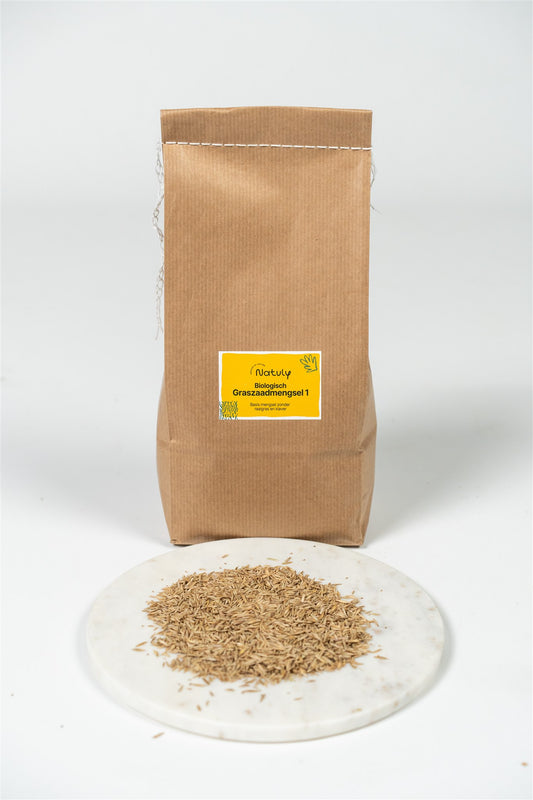
Organic grass seed mixture 1
Regular price From €14,50Regular priceUnit price per -
Pasture herbs
Regular price From €11,50Regular priceUnit price per -
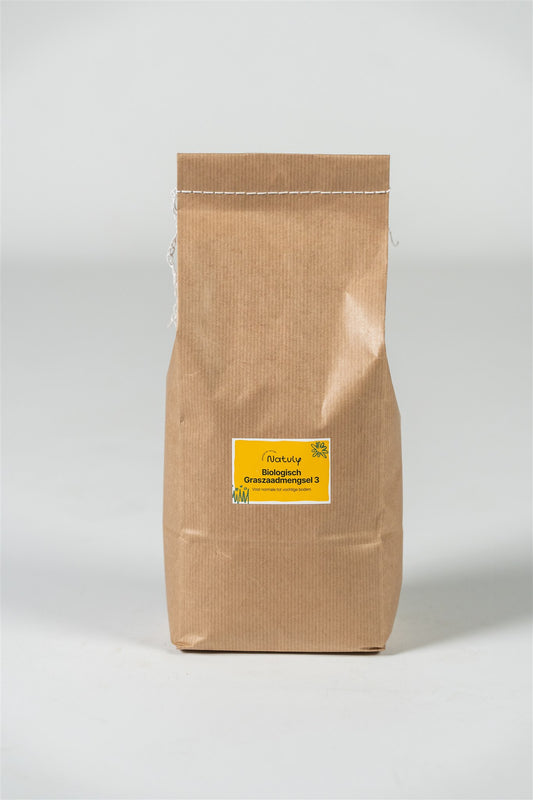
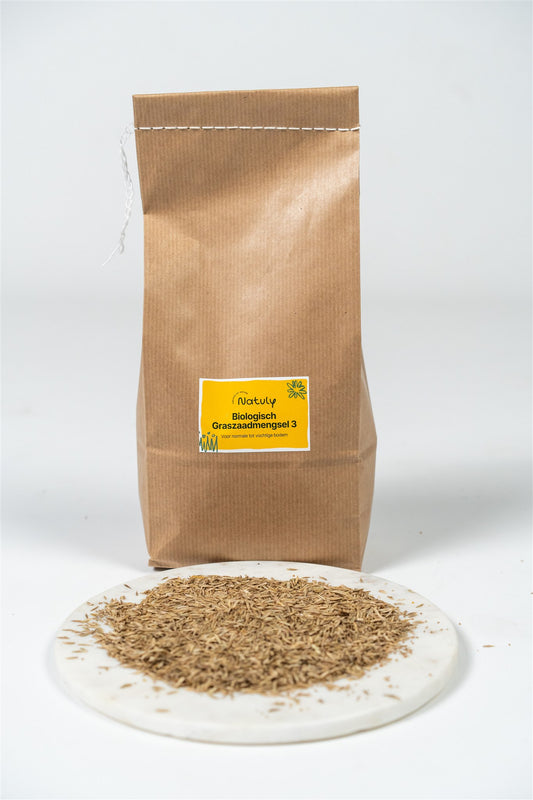
Organic grass seed mixture 3
Regular price From €14,96Regular priceUnit price per -
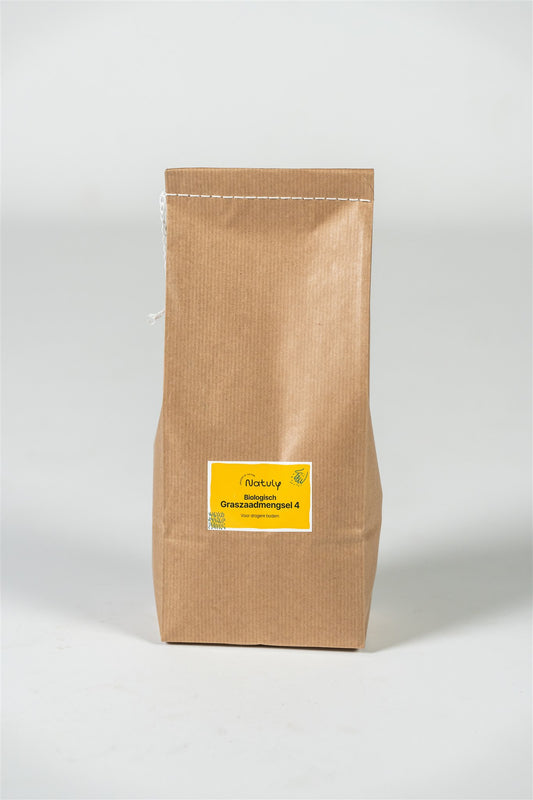
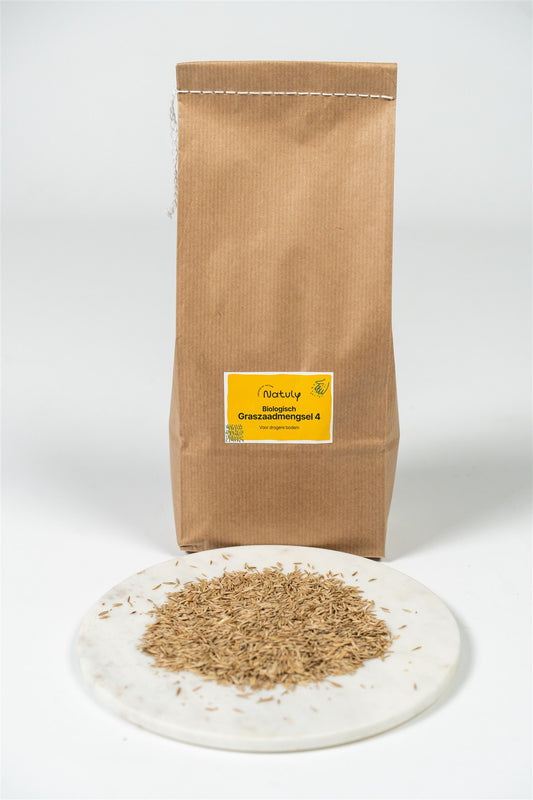
Organic Grass Seed Mixture 4
Regular price From €14,96Regular priceUnit price per